“The world's decay where the wind's hands have passed, And my head, worn out with love, at rest In my hands, and my hands full of dust.”
Book:The Hawk in the Rain
“The world's decay where the wind's hands have passed, And my head, worn out with love, at rest In my hands, and my hands full of dust.”
The Hawk in the Rain introduced Ted Hughes to the literary world with poems that marked a decisive break from the prevailing Movement poetry of the 1950s, offering instead a raw, mythic vision rooted in the Yorkshire landscape of his upbringing. The title poem, along with others such as The Thought-Fox and Wind, demonstrates Hughes's characteristic intensity and his fascination with predators, weather, and the elemental forces that shape both the natural world and human consciousness. The collection won the Galbraith Prize and the Somerset Maugham Award, bringing Hughes early recognition for his distinctive voice. The poems draw upon Hughes's experiences as a farmer's son and his service in the Royal Air Force, transforming autobiographical material into universal meditations on power, survival, and the often brutal relationship between humanity and the environment. The hawk of the title poem becomes an emblem of unyielding self-possession, observed through driving rain that threatens to extinguish its fierce autonomy. Throughout the collection, Hughes employs dense, muscular language and irregular rhythms that resist conventional lyric gentleness, instead pursuing what he later described as the capture of animals in words. The book's publication coincided with the emergence of a new generation of British poets seeking to reinvigorate the tradition through direct encounter with the non-human world, and it remains a foundational text for understanding Hughes's subsequent development as well as the broader trajectory of nature poetry in the twentieth century. more
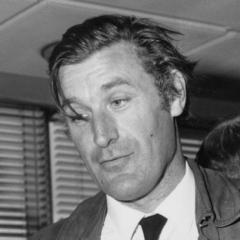
Ted Hughes was a renowned British poet, born on August 17, 1930, and passed away on October 28, 1998. His poetry is known for its unique style and profound emotional expression, and he is considered one of the greatest poets of the 20th century. more