“The floating vapour is just as true an illustration of the law of gravity as the falling avalanche.”
Book:Fresh Fields
“The floating vapour is just as true an illustration of the law of gravity as the falling avalanche.”
The title Fresh Fields suggests a narrative or poetic work centered on themes of exploration, renewal, or the transition from settled civilization to untamed wilderness. The phrasing carries pastoral connotations, suggesting settings where characters encounter natural landscapes unaltered by human development. Such a title might signal stories involving journeys into frontier territories, personal transformations, or the discovery of previously unknown territories. The simplicity of the title allows for multiple interpretative directions, whether the work explores literal geographical exploration or metaphorical passages into new phases of life or understanding. more
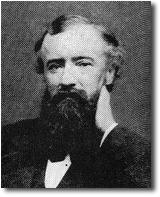
John Burroughs (April 3, 1837 – March 29, 1921) was an American essayist and naturalist, widely regarded as the father of American nature writing. Born in Roxbury, New York, he worked as a teacher and journalist before dedicating himself to observing and writing about nature. His works, such as Wake-Robin and Winter Sunshine, are celebrated for their vivid descriptions and philosophical depth. A close friend of poet Walt Whitman, Burroughs emphasized the spiritual connection between humans and the natural world. His writings influenced early conservation movements and continue to inspire readers today. more