“Mr. and Mrs. Darling and Nana rushed into the nursery too late. The birds were flown”
Quote by James M. Barrie
Work
Peter Pan: Top 100 Classic Novels
Peter Pan: Top 100 Classic Novels is a curated collection that brings together the timeless story of Peter Pan with a selection of the most celebrated novels from various literary periods. This compilation aims to highlight the diversity and richness of classic literature, offering readers a glimpse into the enduring appeal of these works. more
Author
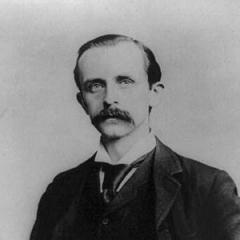
James M. Barrie
James M. Barrie, born on May 9, 1860, in Edinburgh, Scotland, and died on June 19, 1937, was a renowned British novelist and playwright. He is best known for his classic children's novel 'Peter Pan'. Barrie's unique literary style and contributions to children's literature have earned him widespread acclaim. more
You May Also Like
Source: Greatest Christmas Novels in One Volume: Life and Adventures of Santa Claus, Heidi, The Romance of a Christmas Card, The Little City of Hope, The Wonderful Life, Little Women, Anne of Green Gables, Little Lord Fauntleroy, Peter Pan…
Source: The Wind in the Willows: (Penguin Classics Deluxe Edition)
Source: Harry Potter and the Philosopher's Stone
“The bell that measures time is ringing”
Source: The Handmaid's Tale
Source: Dracula: The Wild And Wanton Edition
Source: Dracula
Source: The Book Thief: 10th Anniversary Edition