“...the reason for living was to get ready to stay dead a long time.”
Quote by William Faulkner
Work
William Faulkner, Eugene O'Neill [and] John Steinbeck
The collection includes selected works from William Faulkner, known for his complex narrative structures and deep exploration of the human psyche. Eugene O'Neill is represented by his dramatic works, renowned for their emotional intensity and exploration of the human condition. John Steinbeck's contributions to the collection showcase his prowess in depicting the struggles of the common man in American society. more
Author
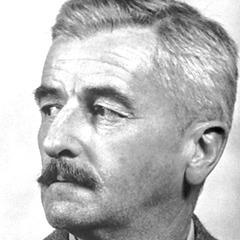
William Faulkner
William Faulkner, an American writer born on September 25, 1897, and died on July 6, 1962. Known for his unique narrative techniques and profound descriptions of Southern society and history, Faulkner is considered one of the great novelists of the 20th century. more
You May Also Like
“Everybody sounds stoned, because they're e-mailing people the whole time they're talking to you.”
Source: Old School
“But I so want to walk that razor's edge, Take feeling to a whole new level.”
Source: Eats, Shoots and Leaves
Source: Kiss of Death: The Morganville Vampires
“it is a heartBreaking sound, Amir Jan, the Wailing of a mother. I pray to Allah you Never hear it.”
Source: The Kite Runner: Rejacketed