“Pentecost was the day of power of the Holy Spirit. It was the day the Christian church was born.”
Quote by Billy Graham
Work
Billy Graham in Quotes
This book presents a collection of insightful and thought-provoking quotes from the speeches, sermons, and writings of Billy Graham, offering a glimpse into his spiritual wisdom and influential perspective on faith and life. more
Author
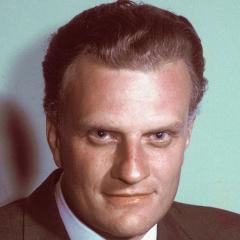
Billy Graham
Billy Graham (born November 7, 1918) was a prominent American evangelist, widely regarded as one of the most influential Christian leaders of the 20th century. Graham, born in a farming family in North Carolina, developed a deep passion for religion from an early age. He began his ministry in 1939 and spent the following decades spreading the Christian Gospel through radio, television, books, and speaking engagements to hundreds of millions of people around the world. more
You May Also Like
“It was 911 calling me. If you can believe it. Them calling me.”
Source: If I Loved You, I Would Tell You This
Source: I Never Promised You a Rose Garden
Source: Become a Better You
Source: Women's Work: The First 20,000 Years: Women, Cloth, and Society in Early Times
Source: The End of Education: Redefining the Value of School
Source: A Familiar Rain
“The Spirit. That thing on loan from God, that thing He’ll eventually want back.”
Source: In Limbo
“I did not know what was in her that was mine, that I was searching for throughout my life.”
Source: Hang My Heart on the Shadows of Light: A Novel
Source: The Art of Transmutation