“Public education does not serve a public. It creates a public. And in creating the right kind of public, the schools contribute toward strengthening the spiritual basis of the American Creed. That is how Jefferson understood it, how Horace Mann understood it, how John Dewey understood it, and in fact, there is no other way to understand it. The question is not, Does or doesn't public schooling create a public? The question is, What kind of public does it create? A conglomerate of self-indulgent consumers? Angry, soulless, directionless masses? Indifferent, confused citizens? Or a public imbued with confidence, a sense of purpose, a respect for learning, and tolerance? The answer to this question has nothing whatever to do with computers, with testing, with teacher accountability, with class size, and with the other details of managing schools. The right answer depends on two things, and two things alone: the existence of shared narratives and the capacity of such narratives to provide an inspired reason for schooling.”
Quote by Neil Postman
Work
The End of Education: Redefining the Value of School
This book delves into the evolving nature of education, questioning traditional methods and advocating for a reevaluation of the role of schools in shaping individuals and society. more
Author
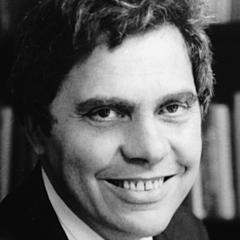
Neil Postman
Neil Postman (March 8, 1931 - October 5, 2003) was an American cultural critic, educator, and author. Known for his profound insights into the relationship between media, technology, and culture, Postman's work has had a significant impact on modern society. more
You May Also Like
Source: A Familiar Rain
“The Spirit. That thing on loan from God, that thing He’ll eventually want back.”
Source: In Limbo
“I did not know what was in her that was mine, that I was searching for throughout my life.”
Source: Hang My Heart on the Shadows of Light: A Novel
Source: The Art of Transmutation
Source: The Begum and the Dastan
Source: The Pyramid
Source: Saint Leibowitz and the Wild Horse Woman
“Tell me, where are the lovers of the world? Nothing remains of them but ashes and worms.”
Source: Preparation for death: or, Considerations on the eternal maxims
Source: Jesus Through the Centuries: His Place in the History of Culture
Source: The Complete Essays