“DENIAL OF EMOTIONS Our culture does not handle emotions well. We like folks to be happy and fine. We learn rituals of acting happy and fine at an early age. I can remember many times telling people "I'm fine" when I felt like the world was caving in on me. I often think of Senator Muskie who cried on the campaign trail when running for president. From that moment on he was history. We don't want a president who has emotions. We would rather have one that can act! Emotions are certainly not acceptable in the workplace. True expression of any emotions that are not "positive" are met with disdain.”
Quote by John Bradshaw
Work
Healing the Shame that Binds You
This book explores the nature of shame and its impact on individuals, offering strategies for healing and personal growth. more
Author
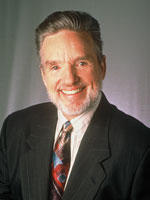
John Bradshaw
John Bradshaw was an American educator known for his research on family and interpersonal relationships. His work focused on family systems theory, particularly in the areas of family emotional expression and communication. Bradshaw's contributions have had a profound impact on the fields of personal growth and family therapy. more
You May Also Like
“What you deny or ignore, you delay, What you accept and face, you conquer.”
Source: Divine Union
“Walking in ignorance is a choice for those who find reality too hard to face.”
Source: From Within I Rise: Spiritual Triumph over Death and Conscious Encounters With the Divine Presence
Source: The Happiness Project
Source: The Annotated Hans Christian Andersen
Source: Beyond the Closed Door: Unique Keys to Unlock Destinies