“By redirecting the focus of our lives from families and communities to institutions and networks, we, in effect, anoint a machine our king.”
Quote by John Taylor Gatto
Work
Dumbing Us Down: The Hidden Curriculum of Compulsory Schooling
This book delves into the author's perspective on the unintended consequences of traditional educational systems, analyzing how they may contribute to the dumbing down of students and society at large. more
Author
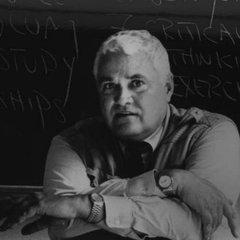
John Taylor Gatto
John Taylor Gatto is an American author known for his critical analysis of the educational system. Born on December 15, 1935, he is a former public school teacher who gained national attention for refusing to comply with bureaucratic regulations in education. Gatto's work emphasizes the importance of educational freedom and personal responsibility. more
You May Also Like
Source: Frederica
“I guess god simply wants me to meet many wrong people before I meet the right one.”
Source: Bellamore: A Beautiful Love To Remember
Source: Rosaline Palmer Takes the Cake
“She craved a family, not having had enough of one to understand what a pain in the ass it was.”
Source: Both Ways Is the Only Way I Want It
Source: Give Me Liberty: The Uncompromising Statesmanship of Patrick Henry
Source: The Book of Polly
“I’ve been real lost without her. Like, she was this compass I didn’t even know I had.”
Source: Dumplin'
Source: Our Ancestors Did Not Breathe This Air