“We are all exceptional cases. We all want to appeal against something! Each of us insists on being innocent at all cost, even if he has to accuse the whole human race and heaven itself. You won't delight a man by complimenting him on the efforts by which he has become intelligent or generous. On the other hand, he will beam if you admire his natural generosity. Inversely, if you tell a criminal that his crime is not due to his nature or his character but to unfortunate circumstances, he will be extravagantly grateful to you. During the counsel's speech, this is the moment he will choose to weep. Yet there is no credit in being honest or intelligent by birth. Just as one is surely no more responsible for being a criminal by nature than for being a criminal by circumstance. But those rascals want grace, that is irresponsibility, and they shamelessly allege the justifications of nature of the excuses of circumstances, even if they are contradictory. The essentially thing is that they should be innocent, that their virtues, by grace of birth, should not be questioned and that their misdeeds, born of a momentary misfortune, should never be more than provisional. As I told you, it's a matter of dodging judgement. Since it is hard to dodge it, tricky to get one's nature simultaneously admired and excused, they all strive to be rich. Why? Did you ever ask yourself? For power, of course. But especially because wealth shields from immediate judgement, takes you out of the subway crowd to enclose you in a chromium-plated automobile, isolates you in huge protected lawns, Pullmans, first-class cabins. Wealth, cher ami, is not quite acquittal, but reprieve, and that's always worth taking.”
Quote by Albert Camus
Book:The fall
Work
Author
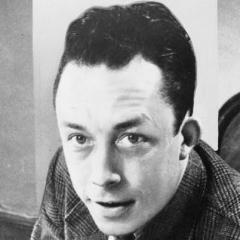
Albert Camus
Albert Camus was a French author and philosopher, born on November 7, 1913, and died on January 4, 1960. Known for his unique existentialist philosophy and profound insights into human suffering, Camus' works include 'The Stranger', 'The Plague', and 'The Myth of Sisyphus', which have had a profound impact on 20th-century literature. more
You May Also Like
Source: Autobiography of a Yogi
Source: Walden & Civil Disobedience
“You can't have everything. But you may love. And love is everything.”
Source: Enrich The World With Your Presence : HA's Original Quotes, Volume 01
Source: The Return of Jonah Gray
Source: The Matter Is Life
Source: Eureka!: Everything You Ever Wanted to Know About the Ancient Greeks but Were Afraid to Ask
Source: Caesar and Christ - The Story of Civilization 03
Source: Kill Religion!: The Deserved Death of Faith