“When a man is in doubt about this or that in his writing, it will often guide him if he asks himself how it will tell a hundred years hence.”
Quote by Samuel Butler
Work
Delphi Complete Works of Samuel Butler (Illustrated)
The Delphi Complete Works of Samuel Butler (Illustrated) is a comprehensive compilation of the literary output of Samuel Butler, a notable figure in 19th-century English literature. The book features his most renowned works, including the novel 'Erewhon,' as well as poetry and other writings. The inclusion of illustrations adds a visual dimension to the text, providing readers with a richer experience of Butler's work. more
Author
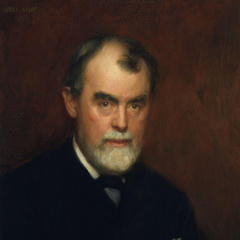
Samuel Butler
Samuel Butler was an English author and philosopher, renowned for his satirical novel Erewhon and his philosophical writings. Born on December 4, 1835, he was a prominent figure during the Victorian era, influencing both literature and thought. Butler's most celebrated work, Erewhon, was published in 1872. The novel is a satirical commentary on Victorian society and explores the concept of a utopian society. He also authored several philosophical works, including The Way of All Flesh, which was controversial for its criticism of religion and morality. Butler's contributions to literature and philosophy have had a lasting impact. His satirical style and exploration of complex themes have established him as a significant figure in Victorian literature. Despite his controversial views, he remains celebrated for his intellectual contributions. more
You May Also Like
“Knowing your own ignorance is the first step to enlightenment.”
“Everybody knows it. Wizards are supposed to have beards. It's common knowledge.”
Source: Wizard's First Rule
“Work with some men is as besetting a sin as idleness.”
Source: Samuel Butler's notebooks