“... she indulged in melancholy - that cheapest and most accessible of luxuries.”
Quote by Charles Dickens
Work
Dombey and Son ... With frontispiece by H. K. Browne
Charles Dickens' 'Dombey and Son' is a complex narrative that explores themes of industrialization and family dynamics. The story revolves around the life of Mr. Dombey and his son, and is accompanied by a frontispiece artwork by the artist H. K. Browne. more
Author
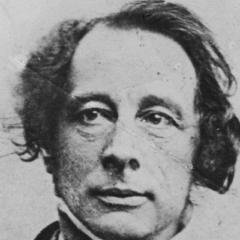
Charles Dickens
Charles Dickens, a British writer born on February 7, 1812, and died on June 9, 1870, is one of the greatest novelists of the 19th century. Known for his profound social criticism and vivid narrative style, Dickens' works extensively cover social reality, revealing various issues in the British society of the time. more
You May Also Like
Source: The Works of Charles Dickens
Source: The Mystery of Edwin Drood and Other Pieces
Source: Delphi Complete Works of Charles Dickens (Illustrated)
Source: Hard Times
“A man can well afford to be as bold as brass, my good fellow, when he gets gold in exchange!”
Source: The Life and Adventures of Martin Chuzzlewit
Source: The Life and Adventures of Martin Chuzzlewit
Source: Great Expectations
Source: The posthumous papers of the Pickwick Club