Quotessence
Home / Quotes / Quote by Edward Jenks

Quote by Edward Jenks

“What is technically called the 'fungibility' of money, is its chief value as an article of commerce; and this fact could not long remain recognized, even by such a conservative class as legal officials.”

Quote by Edward Jenks

Author
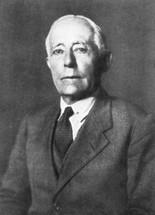
Edward Jenks
Edward Jenks

Edward Jenks was a British writer born in 1861 and died in 1939. His works covered a range of fields, including history, philosophy, and literary criticism. Jenks is known for his profound insights into history and philosophy, and his writings have had a significant impact on later scholars. more

You May Also Like

“But we remember that it was just precisely in the reign of Richard II that the Peasants' War, following upon the changes wrought by the visitations of the Great Plague, virtually destroyed serfdom as a personal status.”

“The popularity of the famous device of the use of lands into England is said to be largely due to the mendicant friars of the then new Orders of St. Dominic and St. Francis, who, arriving in this country, in the first half of the thirteenth century, found themselves hampered by their own vows of poverty, no less than by the growing feeling against Mortmain in acquiring the provision of land absolutely necessary for their rapidly developing work.”

“But then a daring evasion by a leading conveyancer, known as the Lease and Release, received judicial sanction; and commenced a successful career of more than 200 years. The Lease and Release, attributed to Serjeant Moore, was based on the fact that the Statute of Inrolments did not apply to terms of years.”

“First in point of time and interest comes the mortgage debt, i.e. the claim for the return of money lent on the security of some tangible object. Such claims are among the earliest fruits of a commercial civilization, and are nearly always affected the same way, viz. by the deposit or pledge of the security with the creditor, to be redeemed or returned on the payment of the debt.”

“We regard an action of Contract as an action to prevent or compensate for a breach of a promise; an action of Tort as an action to to punish or compensate for a wrong, such as assault or defamation, which has not any necessary connection with a promise.”

“The 'Little' or 'Barebones' Parliament, summoned by Oliver Cromwell to meet at Westminster on 4th July, 1653, after the dissolution of the remains of the Long Parliament, may have been an unpractical body, so far as the task of administration in troublous times was concerned. But it seems quite possible that the wealth of contumely and scorn which has been poured upon it was, originally, due quite as much to the fierce anger of vested interests against outspoken criticism, as to any real vagueness or want of practical wisdom in the plans of the House itself.”

“It was natural that the direct wielders of the royal prerogative, men who sat in the Star Chamber and the Privy Council, who knew the secrets of the State and the necessity for prompt action, should despise the merely declaratory character of a good deal of Common Law process. To them we doubtless owe those four great pillars of Chancery jurisdiction, the injunction, the decree, the sequestration, and the commission of rebellion.”