“The 'Little' or 'Barebones' Parliament, summoned by Oliver Cromwell to meet at Westminster on 4th July, 1653, after the dissolution of the remains of the Long Parliament, may have been an unpractical body, so far as the task of administration in troublous times was concerned. But it seems quite possible that the wealth of contumely and scorn which has been poured upon it was, originally, due quite as much to the fierce anger of vested interests against outspoken criticism, as to any real vagueness or want of practical wisdom in the plans of the House itself.”
Quote by Edward Jenks
Author
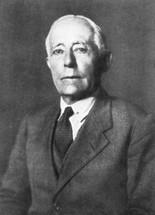
Edward Jenks
Edward Jenks was a British writer born in 1861 and died in 1939. His works covered a range of fields, including history, philosophy, and literary criticism. Jenks is known for his profound insights into history and philosophy, and his writings have had a significant impact on later scholars. more
You May Also Like
Source: A Short History of English Law: From the Earliest Times to the End of the Year 1919
Source: A Short History of English Law: From the Earliest Times to the End of the Year 1919
“Is it surprising that modern English land law should resemble a chaos rather than a system?”
Source: A Short History of English Law: From the Earliest Times to the End of the Year 1919
Source: A Short History of English Law: From the Earliest Times to the End of the Year 1919
Source: A Short History of English Law: From the Earliest Times to the End of the Year 1919