“The Independent or Congregational theory includes two principles; first, that the governing and executive power in the Church is in the brotherhood; and secondly, that the Church organization is complete in each worshipping assembly, which is independent of every other.”
Quote by Charles Hodge
Author
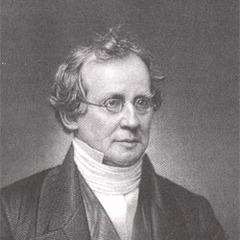
Charles Hodge
Charles Hodge was an 19th-century American author known for his profound religious thoughts and literary value. more
You May Also Like
Source: What is Presbyterianism?: An Address Delivered Before the Presbyterian Historical Society at Their Anniversary Meeting in Philadelphia, on Tuesday Evening, May 1, 1855
Source: What is Presbyterianism?: An Address Delivered Before the Presbyterian Historical Society at Their Anniversary Meeting in Philadelphia, on Tuesday Evening, May 1, 1855
Source: What is Presbyterianism?: An Address Delivered Before the Presbyterian Historical Society at Their Anniversary Meeting in Philadelphia, on Tuesday Evening, May 1, 1855
Source: An Exposition of the First Epistle to the Corinthians
“All moral obligation resolves itself into the obligation of conformity to the will of God.”
Source: Soteriology, eschatology
“The doctrines of grace humble man without degrading him and exalt him without inflating him.”
Source: What is Presbyterianism?: An Address Delivered Before the Presbyterian Historical Society at Their Anniversary Meeting in Philadelphia, on Tuesday Evening, May 1, 1855
Source: What is Presbyterianism?: An Address Delivered Before the Presbyterian Historical Society at Their Anniversary Meeting in Philadelphia, on Tuesday Evening, May 1, 1855