Quotessence
Home / Quotes / Quote by June Squibb

Quote by June Squibb

“The thing I always thought of myself as was an actress. I never thought: I want to be. It was always: I am.”

Quote by June Squibb

Author
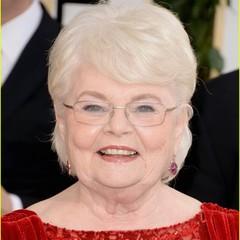
June Squibb
June Squibb

June Squibb, born on November 6, 1929, is a renowned film actress from Canada. Throughout her career in the film industry, she has won the admiration of audiences and recognition from the industry with her exquisite acting skills and unique charm. more

You May Also Like

“The prosecution responsible for the many discrepancies in their work must be made to answer for them, for Raffaele's sake, my sake and most especially for the sake of Meredith's family. Our hearts go out to them. No matter what happens, my family and I will face this continuing legal battle as we always have, confident in the truth and with our heads held high in the face of wrongful accusations and unreasonable adversity.”

“Marriage is the most obvious public practice about which information is readily available. When combined with the traditional Jewish concern for continuity and self-preservation - itself only intensified by the memory of the Holocaust - marriage becomes the sine qua non of social membership in the modern Orthodox community.”

“We often imagine that the court serves as a sort of neutral umpire controlling the warring political branches. But this is mostly myth. The justices of the Supreme Court are themselves actors in the struggle for power, and when they intervene, they think carefully about how their decisions will affect the courts own legitimacy and authority.”

“I flew into a small airport surrounded by cornfields and pastures, ready to carry out the two commands my father had written out for me the night before I left Calcutta: Spend two years studying creative writing at the Iowa Writers Workshop, then come back home and marry the bridegroom he selected for me from our caste and class.”

“Mother Teresas detractors have accused her of overemphasizing Calcuttans destitution and of coercing conversion from the defenseless. In the context of lost causes, Mother Teresa took on battles she knew she could win. Taken together, it seems to me, the criticisms of her work do not undermine or topple her overall achievement.”