“To the Calvinists, more than to any other class of men, the political liberties of Holland, England, and America are due.”
Quote by John Lothrop Motley
Work
History of the United Netherlands, from the Death of William the Silent to the Synod of Dort: With a Full View of the English-Dutch Struggle Against Spain, and of the Origin and Destruction of the Spanish Armada
Comprehensive in scope, the book delves into the political, military, and religious aspects of the era, providing insights into the struggles and triumphs of the Dutch during this pivotal time in their history. more
Author
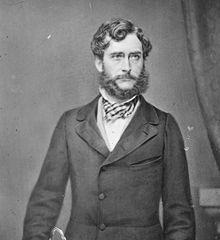
John Lothrop Motley
John Lothrop Motley was an American historian renowned for his in-depth studies of Dutch history. His work 'The Rise of the Dutch Republic' is considered one of the greatest historical works of the 19th century. more
You May Also Like
“Sex is the mysticism of materialism.”
Source: The Very Best of Malcolm Muggeridge
Source: My life in pictures
Source: Jesus, the Man who lives
“Let the beauty we love do what we do.”
Source: Selected poems
“Life is not a success only journey.”
Source: Real Life: Preparing for the 7 Most Challenging Days of Your Life
“The outer kingdom is not our real home. The inner kingdom is our everything.”
Source: The Age of Miracles: Embracing the New Midlife: Easyread Super Large 20pt Edition