“Faith, if it is ever right about anything, is right by accident”
Quote by Sam Harris
Work
The Moral Landscape: How Science Can Determine Human Values
This book delves into the relationship between scientific knowledge and moral philosophy, arguing that scientific principles can provide a framework for understanding and evaluating human values. The author examines various ethical theories and scientific concepts to illustrate the potential for a more objective approach to morality. more
Author
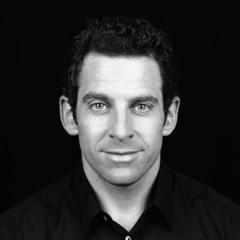
Sam Harris
Sam Harris is an American author, philosopher, and neuroscientist known for his work on atheism, rational thinking, and the scientific method. Born on April 9, 1967, Harris graduated from the University of California, Los Angeles with a Bachelor's degree in cognitive psychology. His writings, including 'Free Will', 'The End of Faith', and 'The Knowledge Problem', have sparked widespread debate around the world. Harris is also the host of several podcasts and television shows, including 'Sam Harris Podcast' and 'Waking Up with Sam Harris'. more
You May Also Like
“no matter what bullshit you heard, hes still mine! he'll always be mine”
“I did some sports. It was a bit frustrating. I wasn't the greatest sports person.”
Source: Reaching Your World For Christ
Source: The Myth of Sisyphus: And Other Essays
“Still, I hate them. But, of course, I hate almost everybody now. Myself more than anyone.”
Source: Mockingjay (The Hunger Games, Book 3)