“What is the good life? What is the good man? The good woman? What is the good society and what is my relation to it? What are my obligations to society? What is best for my children? What is justice? Truth? Virtue? What is my relation to nature, to death, to aging, to pain, to illness? How can I live a zestful, enjoyable, meaningful life? What is my responsibility to my brothers? Who are my brothers? What shall I be loyal to? What must I be ready to die for?”
Quote by Abraham Maslow
Author
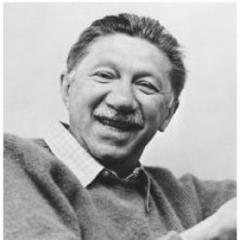
Abraham Maslow
Abraham Maslow was an American psychologist born on April 1, 1908, and died on June 8, 1970. He was a pioneer in humanistic psychology and proposed Maslow's hierarchy of needs, which had a profound impact on the field of psychology. more
You May Also Like
Source: American politics and humanistic psychology
“In Hinduism, conscience, reason and independent thinking have no scope for development.”
“We cannot protect our children from life. Therefore, it is essential that we prepare them for it.”
Source: THE ART OF LOVING
Source: THE ART OF LOVING
“If one is not productive in other spheres, one is not productive in the love either.”
Source: THE ART OF LOVING