“Years from now, I’ll be sitting in my wheelchair in the brightest spot in Amsterdam Park, next to the old wooden swings, catching a bit of sun. Next to me, on the new bench that some future mayor will have put there, will be my caregiver who came from a faraway country. She’ll know very little Hebrew, and at my old age, I’ll also remember only a few words—in Hebrew or at all. By then, my memory will have crumbled like an old biscuit left in a coat pocket since last winter, and every time my caregiver calls me “Papi,“ I’ll think she really is my daughter. Those moments in which the past is erased and replaced by an invented history will be my most meaningful ones. They will be what keeps me alive.”
Quote by Etgar Keret
Author
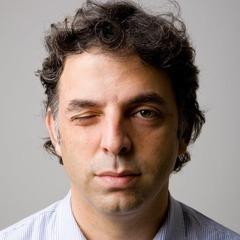
Etgar Keret
Etgar Keret is an Israeli writer known for his unique humor and profound emotional depth. His works are typically short stories that explore themes of personal identity, family relationships, and social reality. Born on August 20, 1967, Keret's writing style has been well-received by readers worldwide, with his works translated into multiple languages. more
You May Also Like
Source: Anatomy of the Psyche: Alchemical Symbolism in Psychotherapy
Source: Time Shelter
Source: The Little Liar
Source: The High Auction
Source: A Kingdom of Flesh and Fire
Source: Be Here to Love Me at the End of the World
“Forgiving is not the same thing as healing; you may have to bear the pain all your life.”
“He learned how to forget, and forgetting brought him relief.”
Source: Primeval and Other Times
Source: Edible Memory: The Lure of Heirloom Tomatoes and Other Forgotten Foods