“The terror of sickness and old age is not merely the terror of the losses one is forced to endure, but also the terror of the isolation. As people become aware of the finitude of their life, they do not ask for much. They do not seek more riches. They do not seek more power. They ask only to be permitted, insofar as possible, to keep sharing the story of their life in the world - to make choices and sustain connections to others according to their own priorities. In modern society we have come to assume that debility and dependence rule out such autonomy.”
Quote by Atul Gawande
Work
Being Mortal: Medicine and What Matters in the End
In this insightful book, the author delves into the complexities of aging and the end of life, examining the intersection of medicine, ethics, and personal values. The narrative explores the challenges faced by patients, families, and healthcare providers as they navigate the final stages of life, emphasizing the need for meaningful conversations and the pursuit of a good quality of life. more
Author
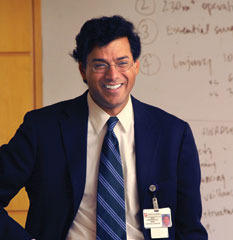
Atul Gawande
Atul Gawande is a renowned American surgeon and writer. Born on November 5, 1965, in Mumbai, India, he immigrated to the United States. Gawande is known for his expertise in surgery and his profound insights into the healthcare system. His writings cover a range of topics from surgical techniques to medical ethics, and have been well-received by readers. more
You May Also Like
Source: Notes From Your Therapist
Source: Notes From Your Therapist
Source: Untamed
Source: Turn This World Inside Out: The Emergence of Nurturance Culture
Source: Mighty Be Our Powers: How Sisterhood, Prayer, and Sex Changed a Nation at War
Source: The Rebel
Source: The Beast Within
Source: Team Human
“Instead, I'll think of new words, and then I'll follow them.”
Source: A Ghost in the Throat
Source: We Need to Hang Out: A Memoir of Making Friends