“The share-and-share-alike anti-establishment ethos of the Topanga Canyon Hollywood hippie entertainment class of the late sixties was what Dennis Wilson offered these ragmuffins. However, pretty quickly, these garbage-eating, acid-tripping, clap-ridden, singsong-sounding runaways proved themselves to be a bunch of freeloading ingrates. They wrecked Wilson's pad and cost him thousands of dollars in venereal-disease medicine and lost, stolen, and damaged property. Until, finally, Wilson just moved out of the house and left it to his business manager to evict the squalid squatters.”
Quote by Quentin Tarantino
Work
Once Upon a Time in Hollywood
Browse quotes and source details for this work. more
Author
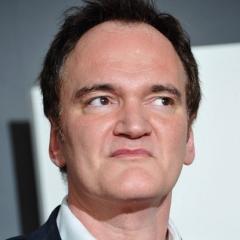
Quentin Tarantino
Quentin Tarantino (born March 27, 1963) is an acclaimed American film director, screenwriter, and actor renowned for his distinctive nonlinear storytelling, sharp dialogue, and homage to classic film genres. His 1992 debut Reservoir Dogs gained critical attention, while Pulp Fiction (1994) won the Palme d'Or and an Academy Award, establishing him as a revolutionary force in independent cinema. Known for blending black humor, violence, and pop culture references, Tarantino has created iconic films including Kill Bill, Inglourious Basterds, Django Unchained, and Once Upon a Time in Hollywood. more
You May Also Like
Source: Disney War
Source: Sizzle Reel
Source: Disney War
Source: The Keys to the Kingdom: The Rise of Michael Eisner and the Fall of Everybody Else
Source: Is That a Gun in Your Pocket?: Women's Experience of Power in Hollywood
Source: The Devil's Guide to Hollywood: The Screenwriter as God!
Source: Lulu in Hollywood
Source: Musts, Maybes, and Nevers: A Book About The Movies
“I will never win an Oscar and do you know why?" Clint liked to aver. "Because I’m not Jewish.”
Source: Clint: The Life and Legend