“I'm just saying I think people are meant to be with people. You suffer in a marriage; but alone, you suffer more. Did you ever read that Mark Twain book "Extracts from Adam's Diary"? Adam thought Eve was a real pain in the ass, talking too much, looking at her reflection in the pond all the time, getting them expelled from Paradise, for Christ's sake! But what he said at the end was that he was better off living outside the Garden with Eve than inside it without her.”
Quote by Elizabeth Berg
Work
Once Upon a Time, There Was You
This work of contemporary fiction centers on John and Irene, former spouses who separated years earlier after their marriage dissolved under the weight of unmet expectations and diverging paths. When their adult daughter faces a serious accident, the estranged parents reunite at her bedside, compelled to navigate shared worry and old grievances. The narrative examines how time alters perspective on past wounds, the persistence of familial bonds despite fracture, and whether people capable of hurting each other deeply can also offer genuine solace. Berg constructs the story through alternating viewpoints, allowing both characters to articulate their versions of the marriage's failure and their subsequent solitary lives. The hospital setting functions as both literal emergency and metaphorical space where mortality forces reappraisal of what matters. The novel belongs to a tradition of American domestic fiction that treats ordinary emotional terrain with precision, avoiding dramatic revelation in favor of accumulated small recognitions about love's endurance and limits. more
Author
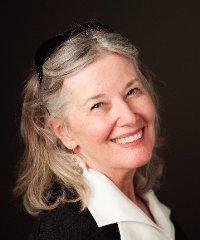
Elizabeth Berg
Elizabeth Berg is a renowned American contemporary writer, born on December 2, 1948. Her works are known for their delicate emotional descriptions and profound character portrayals, which have won her a wide readership. more
You May Also Like
“Those who seek happiness in marriage always come back with disappointments.”
Source: What Kind of Woman: Poems
“Unclasp the thought of leaving, tie it to the door.”
Source: What Kind of Woman: Poems
Source: Dad
Source: The Scorpion
“Miss Fitt, you know curiosity gets men killed." I grinned. "Then I daresay it's good I'm a woman.”
Source: Something Strange and Deadly