“Of all the problems of conservation, none is more urgent that the polluted air which endangers the American people. We have been fortunate so far. But we have seen that when winds fail to blow, the concentrations of poisonous clouds over our cities can become perilous.”
Quote by Lyndon B. Johnson
Work
Public Papers of the Presidents of the United States: Lyndon B. Johnson, 1968-1969
Comprehensive compilation of official documents reflecting the policies and activities of President Lyndon B. Johnson during his second term in office, including his administration's responses to the Vietnam War, civil rights legislation, and economic initiatives. more
Author
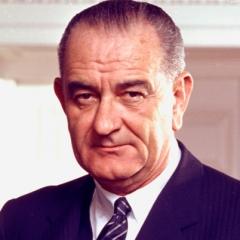
Lyndon B. Johnson
Lyndon B. Johnson, the 36th President of the United States, served from 1963 to 1969. He assumed the presidency following the assassination of John F. Kennedy and is known for his 'Great Society' programs aimed at reducing poverty and racial injustice. more
You May Also Like
Source: In the Presence of Fear: Three Essays for a Changed World
“The "hole in the moral ozone" is really what's behind the hole in the ozone.”
Source: Selected poems
Source: The Fate of the Earth: And, The Abolition
“The reality of life is that we are exposed to a multiplicity of toxic substances.”