“When I was young, my father used to say, ‘If you are alive, there is hope for a better day and something good to happen. If there is nothing good left in the destiny of a person, he or she will die.’ I thought about these words during my journey, and they kept me moving even when I didn’t know where I was going. Those words became the vehicle that drove my spirit forward and made it stay alive.”
Quote by Ishmael Beah
Work
A Long Way Gone: Memoirs of a Boy Soldier
This memoir recounts the harrowing journey of a young boy who is forced to become a soldier in the midst of the civil war in Sierra Leone. The author shares his personal account of the violence, hardship, and loss he endured during this tumultuous period. more
Author
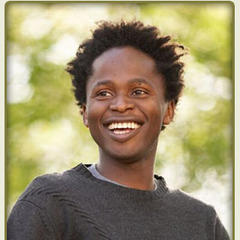
Ishmael Beah
Ishmael Beah is a former child soldier, writer, and human rights activist. During the Liberian Civil War, he was recruited as a soldier and experienced the harsh realities of war. After the war, with the help of UNICEF, he returned to school and completed his education. His memoir, 'A Long Way Gone', which tells his personal experiences, has received widespread attention and acclaim, winning him numerous awards. He is also actively involved in human rights activities, dedicated to raising awareness about the issue of child soldiers. more
You May Also Like
“If you did not do so for the sake of riches,You must have done so for the sake of novelty.”
Source: The Analects
“My worst is all out in the open. It makes it necessary for people to tell you about themselves.”
Source: Geek Love: A Novel
Source: Eat Pray Love: One Woman's Search for Everything
Source: Algernon Blackwood: Premium 11 Novels Collection (Jimbo, The Education of Uncle Paul, The Human Chord, The Centaur, The Promise of Air, The Garden of Survival, The Bright Messenger and more)
Source: How to Read a Book: The Classic Guide to Intelligent Reading
Source: The Return of the King: Being the Third Part of the Lord of the Rings
“Everything is gestation and then birthing.”
Source: Letters to a Young Poet
Source: Before I Die
“I said I wouldn't leave her.”
Source: Before I Die