“The dreams of golden glory in the future will not come true unless, high of heart and strong of hand, by our own mighty deeds we make them come true.”
Quote by Theodore Roosevelt
Work
African and European Addresses
This book compiles a range of speeches and addresses that have been delivered by notable figures from both African and European backgrounds. The content includes political, social, and cultural perspectives, offering insights into the issues and concerns of the respective regions. The speeches span various historical periods, providing a cross-section of the ideas and debates that have shaped the relationship between Africa and Europe. more
Author
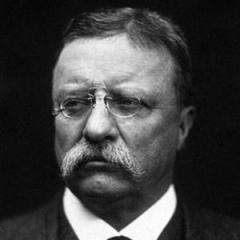
Theodore Roosevelt
Theodore Roosevelt was the 26th President of the United States, serving from 1901 to 1909. A progressive leader, he is known for his advocacy of the conservation movement, expansion of federal government regulation, and efforts to improve the lives of American citizens. more
You May Also Like
Source: Theodore Roosevelt on Bravery: Lessons from the Most Courageous Leader of the Twentieth Century
Source: History as Literature and Other Essays
Source: Theodore Roosevelt on Bravery: Lessons from the Most Courageous Leader of the Twentieth Century
Source: The Works of Theodore Roosevelt