“She had a bracelet on one taper arm, which would fall down over her round wrist. Mr. Thornton watched the replacing of this troublesome ornament with far more attention than he listened to her father. It seemed as if it fascinated him to see her push it up impatiently, until it tightened her soft flesh; and then to mark the loosening—the fall. He could almost have exclaimed—'There it goes, again!”
Quote by Elizabeth Gaskell
Work
Delphi Complete Works of Elizabeth Gaskell (Illustrated)
The Delphi Complete Works of Elizabeth Gaskell (Illustrated) is a meticulously curated compilation featuring all the literary contributions of Elizabeth Gaskell, a prominent figure in Victorian literature. This collection is enhanced with illustrations that aim to enrich the reading experience, offering a visual complement to Gaskell's timeless narratives. The works within this collection are believed to encompass her most celebrated novels and short stories, providing readers with a comprehensive view of her writing career. more
Author
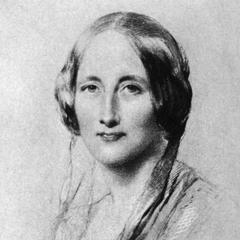
Elizabeth Gaskell
Elizabeth Gaskell was a British novelist born on September 29, 1810, in Manchester. Her works primarily depicted the social life of Britain during the Industrial Revolution, focusing on the lives of the working class. Gaskell is renowned for her delicate emotional portrayal and profound social insight, with notable works including 'Mary Barton' and 'North and South'. more
You May Also Like
“We have lost, being born, as much as we shall lose dying: Everything!”
Source: The Trouble with Being Born
“If variety is the spice of life, marriage is the big can of leftover Spam.”
“I want to go to sleep and not wake up, but I don’t want to die.”
“Half an ear cocked, something in me, all night, every night, is waiting for you to come home.”
Source: We Need To Talk About Kevin
Source: Skulduggery Pleasant:
“His imagination was always more real than the reality of daily life.”