“Both of them were very good and kind - the one who went to church and the one who didn't. And no doubt from them I learned to like both Christians and sinners equally well.”
Quote by Langston Hughes
Work
The Collected Works of Langston Hughes
This collection encompasses Hughes' most celebrated works, showcasing his contributions to the Harlem Renaissance and his exploration of racial identity, social justice, and the African American experience. more
Author
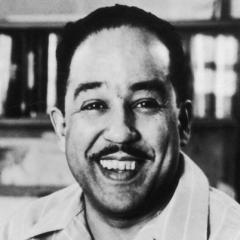
Langston Hughes
American poet, writer, playwright, editor, and actor. Langston Hughes is one of the most prominent figures of the Harlem Renaissance, known for his poetry and prose. His works often explore themes of race, class, and identity, and have been beloved by readers. more
You May Also Like
“Every step which the intelligence of Europe has taken has been in spite of the clerical party.”
Source: Les Misérables
Source: An Enquiry Concerning Human Understanding; [with] A Letter from a Gentleman to His Friend in Edinburgh; [and] An Abstract of a Treatise of Human Nature
Source: Essays and Treatises on several subjects, etc. New edition
Source: The collected works of Aldous Huxley
Source: The Major Prose of Thomas Henry Huxley
Source: Life and Letters of Thomas Henry Huxley
Source: Lectures and Essays