“I discovered, though, that once having given a pig an enema there is no turning back, no chance of resuming one of life's more stereotyped roles.”
Quote by E. B. White
Work
Essays of E. B. White
This volume gathers a selection of personal essays written by E.B. White, the acclaimed American author whose clear and graceful writing style made him one of the most respected essayists of the twentieth century. The essays reflect White's keen awareness of the ordinary moments in life, his love of the natural world, and his ability to find meaning in simple experiences. Written primarily during his long career as a contributor to The New Yorker magazine, these pieces showcase the quiet wisdom and understated wit that characterized his voice as a writer. The collection demonstrates White's talent for turning common subjects—the companionship of animals, the rhythms of rural life, the passing of seasons—into enduring literary reflections. His work has influenced generations of readers and writers who appreciate his approach to the essay form as a vehicle for thoughtful commentary and personal reflection. more
Author
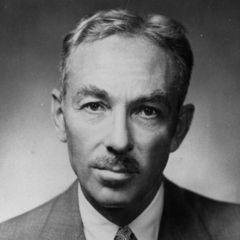
E. B. White
E. B. White, a renowned American writer, was born on July 11, 1899, and passed away on October 1, 1985. Known for his concise and elegant writing style, he is the author of classic works such as 'Charlotte's Web' and 'Stuart Little'. more
You May Also Like
“Now and then an innocent man is sent to the legislature.”
Source: The Best of Kin Hubbard: Abe Martin's Sayings and Wisecracks, Abe's Neighbors, His Almanack, Comic Drawings
Source: In the Words of E.B. White: Quotations from America's Most Companionable of Writers
Source: Essays of E. B. White
Source: The Letters of E. B. White