“Natural history is a matter of observation; it is a harvest which you gather when and where you find it growing. Birds and squirrels and flowers are not always in season, but philosophy we have always with us. It is a crop which we can grow and reap at all times and in all places and it has its own value and brings its own satisfaction.”
Quote by John Burroughs
Work
Under the Apple-Trees
Under the Apple-Trees is a story that unfolds in a picturesque rural landscape, focusing on the interconnected lives of the residents. The narrative delves into the dynamics of family relationships and the bonds that hold a community together. The setting, characterized by its lush apple orchards, serves as a backdrop for the characters' personal growth and collective experiences. more
Author
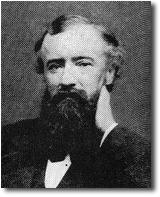
John Burroughs
John Burroughs (April 3, 1837 – March 29, 1921) was an American essayist and naturalist, widely regarded as the father of American nature writing. Born in Roxbury, New York, he worked as a teacher and journalist before dedicating himself to observing and writing about nature. His works, such as Wake-Robin and Winter Sunshine, are celebrated for their vivid descriptions and philosophical depth. A close friend of poet Walt Whitman, Burroughs emphasized the spiritual connection between humans and the natural world. His writings influenced early conservation movements and continue to inspire readers today. more
You May Also Like
“Nature appears not to have intended that any flower should be fertilized by its own pollen.”
“Human beings place their desires ahead of the collective good.”
Source: An Island Garden
Source: Sermons Preached Upon Several Occasions