“True observers of nature, although they may think differently, will still agree that everything that is, everything that is observable as a phenomenon, can only exhibit itself in one of two ways. It is either a primal polarity that is able to unify, or it is a primal unity that is able to divide. The operation of nature consists of splitting the united or uniting the divided; this is the eternal movement of systole and diastole of the heartbeat, the inhalation and exhalation of the world in which we live, act, and exist.”
Quote by Johann Wolfgang von Goethe
Author
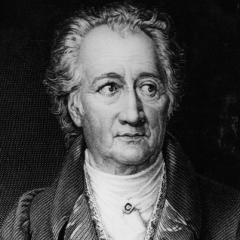
Johann Wolfgang von Goethe
Johann Wolfgang von Goethe, born on August 28, 1749, and died on March 22, 1832, was a prominent German writer, thinker, and scientist. He is one of the greatest writers in German literary history and his works have had a profound impact on the world. His most famous works include 'Faust' and 'The Sorrows of Young Werther'. more
You May Also Like
Source: Love is a Stranger
“Carrying body and soul and embracing the one, Can you avoid separation?”
Source: 道德经
Source: The Water Wizard – The Extraordinary Properties of Natural Water: Volume 1 of Renowned Environmentalist Viktor Schauberger’s Eco-Technology Series