“Suppose a nation, rich and poor, high and low, ten millions in number, all assembled together; not more than one or two millions will have lands, houses, or any personal property; if we take into the account the women and children, or even if we leave them out of the question, a great majority of every nation is wholly destitute of property, except a small quantity of clothes, and a few trifles of other movables.”
Quote by John Adams
Work
The Works of John Adams, Second President of the United States: With a Life of the Author, Notes and Illustrations
This volume includes a wide array of John Adams's personal and professional correspondence, political writings, and other documents. It also features a detailed biography of Adams, providing insight into his life and times. The book is further enhanced with notes and illustrations that offer context and analysis of Adams's work. more
Author
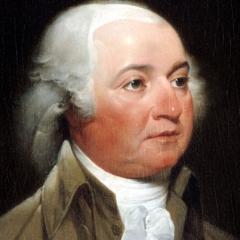
John Adams
John Adams, the second President of the United States, was a statesman, diplomat, and writer. Born on October 30, 1735, and died on July 4, 1826, Adams played a significant role in the American Revolutionary War. He was one of the drafters of the Declaration of Independence and served as the President from 1789 to 1797. more
You May Also Like
Source: The Political Writings of John Adams
Source: John Adams Speaking: Pound's Sources for the Adams Cantos
Source: The Works of John Adams, Second President of the United States: With a Life of the Author, Notes and Illustrations
Source: Two Treatises of Government: With a Supplement, Patriarcha, by Robert Filmer
“When Socialism comes, it may be in such a form that we won't like it.”