“All of the great geniuses of the world were inspired and driven by their desire to enrich the lives of others.”
Quote by Robin Sharma
Work
Who Will Cry When You Die?: Life Lessons From The Monk Who Sold His Ferrari
This book delves into the transformative journey of a monk who abandons his luxurious life for a life of simplicity and spiritual enlightenment. It explores themes of personal growth, mindfulness, and the pursuit of a meaningful life, providing readers with practical advice and reflections on how to find fulfillment and purpose. more
Author
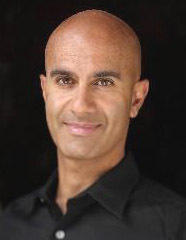
Robin Sharma
Robin Sharma, born in 1964, is a Canadian author, motivational speaker, and life coach best known for his bestselling book "The Monk Who Sold His Ferrari." Originally a lawyer, he left his legal career to pursue writing and became one of the most influential voices in personal development and leadership. His books, blending Eastern wisdom with Western business principles, have been translated into 50+ languages and sold millions of copies worldwide. more
You May Also Like
“If you want to improve your world, then focus your attention on helping others.”
“If we could all hear one another's prayers, God might be relieved of some of his burdens.”
Source: The Essential Martin Luther King, Jr.:
“Go through the proper motions each day and you'll soon begin to feel the corresponding emotions!”