“What is the ordinary criminal but one who has committed the fatal mistake of endeavouring after what is the people's instead of seeking for what is his? He has sought despicable alien goods, has done what believers do who seek after what is God's. What does the priest who admonishes the criminal do? He sets before him the great wrong of having desecrated by his act what was hallowed by the state, its prop erty (in which, of course, must be included even the life of those who belong to the state); instead of this, he might rather hold up to him the fact that he has besmirched himself in not despising the alien thing, but thinking it worth stealing; he could, if he were not a cleric Talk with the so-called criminal as with an egoist, and he will be ashamed, not that he transgressed against your laws and goods, but that he considered your laws worth evading, your goods worth desiring; he will be ashamed that he did not - despise you and yours together, that he was too little an egoist”
Quote by Max Stirner
Work
This book delves into the concept of the ego, examining its significance in shaping individual identity and consciousness. It investigates the ego's relationship with the self and the external world, offering insights into the complexities of human psychology and self-awareness. more
Author
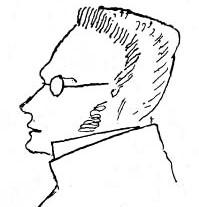
Max Stirner was a German philosopher born on October 25, 1806, and died on June 26, 1856. His philosophical thoughts revolve around individualism and egoism, which had a profound impact on later existentialism and nihilism. more
You May Also Like
“No woman was ever acknowledged for dusting”
“If you are a woman who has chosen not to have children, society will always ask you to justify it.”
“There can be no salvation for us as individuals; there is salvation because there are others.”