Quotessence
Home / Quotes / Quote by Tilda Swinton

Quote by Tilda Swinton

“I am a great friend of chaos. It’s all we have … this whole concept of being able to manage life… life is risk, life is chance, life is being open to chance. The best things in my life, and probably in anybody’s life, come out of being open to being blown off course.”

Quote by Tilda Swinton

Author
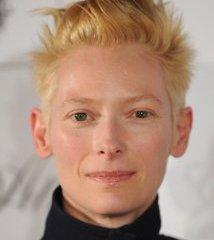
Tilda Swinton
Tilda Swinton

Tilda Swinton is a British actress known for her unique acting style and diverse roles. Born on November 5, 1960, she has been active in the film and theater industries since the 1980s. Swinton gained international recognition for her performances in films such as 'The Fish Child', 'We Need to Talk About Kevin', and 'The Tree of Life', earning her multiple Oscar nominations. more

You May Also Like

“Now I know that lives tear too. Can they be re-sewn, re-configured, sides to middle, new strength found? Even if they can, I know I will always feel the tell-tale ridge down the centre, at the heart of me.”

“Grief is less like a predictable sequence and more like an amorphous blob of uncertainty. You can’t forecast your way out of grief, because there’s no way to determine when the next wave is coming. This may seem disheartening at first, but when you recognize that there is no structure for grief, you can stop trying to pinpoint exactly where you are on your journey. If there’s no road map, it’s impossible to be lost.”

“There is so much more to grief than just death. In losing someone, you lose their presence in every single moment and milestone that appears after their death. Every hope, dream, and expectation you had for the future must now be reworked, because the person you love can no longer be there. It’s normal to feel like you’re grieving multiple losses when someone dies.”

“Death is an ending, but it is not the end. The day your loved one died marks the beginning of a new life for you, a life where your loved one is no longer present in the physical world. It’s a horrendously painful ending, and simultaneously, it marks a new beginning for you. Their death is not the end of your story as a whole, but the end of a very beautiful and important chapter in your life. Your task in this new beginning is to grieve the painful ending— and to learn how to navigate life in the aftermath of loss.”

“What if grief is not a consequence of love but another expression of it? What if our deep sorrow is a reflection of deep connection? There is no grief with- out attachment, investment, and some kind of emotional bond. The fact that we grieve is evidence of how completely we are able to love.”

“We tell the story of our grief for two reasons: first, to solidify in our brains and hearts that life without our loved one is our new reality; and second, to realize that we are not alone. Just as grief is not a one-time event, telling the story of our loss is not a one-time event, either. We must share the story of what happened, to make sense of it for ourselves and to connect with others who are experiencing similar pain.”