“Language is music. Written words are musical notation. The music of a piece of fiction establishes the way in which it is to be read, and, in the largest sense, what it means. It is essential to remember that characters have a music as well, a pitch and tempo, just as real people do. To make them believable, you must always be aware of what they would or would not say, where stresses would or would not fall.”
Quote by Marilynne Robinson
Work
When I Was A Child I Read Books
This book delves into the profound impact that reading had on the author's life during their formative years, offering insights into the significance of literature in shaping personal growth and understanding of the world. more
Author
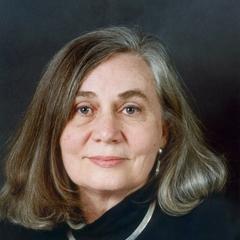
Marilynne Robinson
Marilynne Robinson is an American novelist known for her profound religious and moral themes. Her works often explore personal faith, social justice, and human relationships, earning her widespread acclaim. Born on November 26, 1943, Robinson's novels 'Gilead' and 'Housekeeping' have received extensive praise. more
You May Also Like
“If a musician wants to become a fine artist, he must first become a finer person.”
Source: Nurtured by Love: The Classic Approach to Talent Education
“music was the only beautiful thing he owned”
Source: The Serpent King
Source: The Light in the Heart
Source: Brother West: Living and Loving Out Loud, a Memoir
Source: Our Band Could Be Your Life: Scenes from the American Indie Underground 1981-1991
“Now I think I understand how this world can overcome a man.”
Source: Why New Orleans Matters