“Mac Rebennack, better known as Dr. John, once told me that when a brass band plays at a small club back up in one of the neighborhoods, it's as if the audience--dancing, singing to the refrains, laughing--is part of the band. They are two parts of the same thing. The dancers interpret, or it might be better to say literally embody, the sounds of the band, answering the instruments. Since everyone is listening to different parts of the music--she to the trumpet melody, he to the bass drum, she to the trombone--the audience is a working model in three dimensions of the music, a synesthesic transformation of materials. And of course the band is also watching the dancers, and getting ideas from the dancers' gestures. The relationship between band and audience is in that sense like the relationship between two lovers making love, where cause and effect becomes very hard to see, even impossible to call by its right name; one is literally getting down, as in particle physics, to some root stratum where one is freed from the lockstop of time itself, where time might even run backward, or sideways, and something eternal and transcendent is accessed.”
Quote by Tom Piazza
Work
Why New Orleans Matters
Why New Orleans Matters delves into the unique aspects of New Orleans, examining its role in American history, its vibrant music scene, and the city's resilience in the face of adversity. The book offers an in-depth look at the cultural contributions of New Orleans, including its influence on cuisine, music, and literature, while also discussing the social and political dynamics that have shaped the city's identity. more
Author
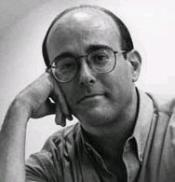
Tom Piazza
Tom Piazza, born in 1955, is an American author whose works span across novels, non-fiction, and poetry. He is known for his unique literary style and profound insights into the culture of the American South. more
You May Also Like
Source: Queen of Shadows
“With every dawn comes a renewed chance to reshape your destiny and elevate your life’s course.”
Source: The Light in the Heart
Source: Coming Through Slaughter
Source: Another Whole Nother Story
Source: The Cello Suites: J.S. Bach, Pablo Casals, and the Search for a Baroque Masterpiece
Source: Bully at Ambush Corner