“If nobody ever offers an opinion or takes the slightest interest in one's production, one loses not only all pleasure in them, but all power of judging their value.”
Quote by Fanny Mendelssohn
Work
The Mendelssohn family 1729-1847: from letters and journals
The volume includes correspondence and diary entries that provide a detailed look into the daily experiences, relationships, and cultural context of the Mendelssohn family from 1729 to 1847. The collection is a valuable resource for understanding the history of the family and its contributions to music and society. more
Author
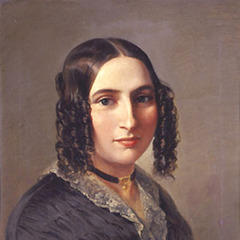
Fanny Mendelssohn
Fanny Mendelssohn, born on November 14, 1805, and died on May 14, 1847, was a German composer. She was the daughter of the famous composer and conductor Felix Mendelssohn. Fanny was a highly talented musician and composer, known for her piano music, songs, and chamber works. Despite facing societal constraints of her time, she made significant contributions to the world of music. more
You May Also Like
Source: Bruce Lee Striking Thoughts: Bruce Lee's Wisdom for Daily Living
Source: Bruce Lee Striking Thoughts: Bruce Lee's Wisdom for Daily Living
“A good talker, even more than a good orator, implies a good audience.”
Source: Samuel Johnson