“There is no action of man in this life that is not the beginning of so long a chain of consequences as no human providence is high enough to give a man a prospect in the end. And in this chain, there are linked together both pleasing and unpleasing events in such manner as he that will do anything for his pleasure must engage himself to suffer all the pains annexed to it.”
Quote by Thomas Hobbes
Work
The Essential Leviathan: A Modernized Edition
This book includes a revised and updated version of Thomas Hobbes' classic text, 'Leviathan,' alongside other significant works by the philosopher. The modernized edition aims to make Hobbes' ideas more accessible to contemporary readers while preserving the original content and structure of the original treatise. more
Author
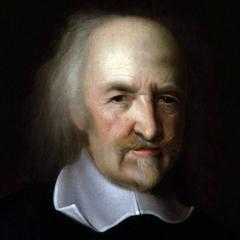
Thomas Hobbes
Thomas Hobbes, a British philosopher, politician, historian, economist, and writer, was born on April 5, 1588, in Wiltshire, and died on December 4, 1679, in Oxford, England. Hobbes is considered one of the most important philosophers of the 17th century, known for his profound analysis of the state, society, and human behavior. more
You May Also Like
Source: Leviathan
Source: The Moral and Political Works of Thomas Hobbes of Malmesbury: Never Before Collected Together : To which is Prefixed, the Author's Life, Extracted from that Said to be Written by Himself, ...
Source: The Essential Leviathan: A Modernized Edition
Source: The Essential Leviathan: A Modernized Edition
Source: Leviathan - Revised Edition
Source: The Moral and Political Works To which is Prefixed the Autors Life, Extracted from that Said to be Written by Himself ... Illustr. by the Ed. - London 1750
Source: Leviathan
Source: Leviathan, Parts I and II
“Leisure is the mother of philosophy; and commonwealth, the mother of peace and leisure.”
Source: The Essential Leviathan: A Modernized Edition