“Never pursue literature as a trade.”
Quote by Samuel Taylor Coleridge
Work
Biographia Literaria; Or, Biographical Sketches of My Literary Life and Opinions
Biographia Literaria is a foundational text in English literary criticism, written by the poet and philosopher Samuel Taylor Coleridge. The book combines personal memoir with theoretical discussions on poetry, imagination, and the nature of literary creation. Coleridge explores his own intellectual development, his collaborations with William Wordsworth, and his evolving views on the relationship between mind and art. The work is noted for its distinction between fancy and imagination, and for its influence on Romantic literary theory. more
Author
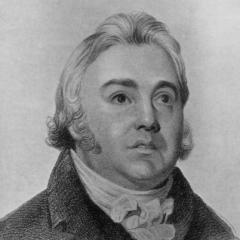
Samuel Taylor Coleridge
Samuel Taylor Coleridge was an English poet, critic, and philosopher, renowned for his works such as 'The Rime of the Ancient Mariner' and 'Kubla Khan'. A leading figure in the Romantic movement, his work has had a significant impact on English literature. more
You May Also Like
Source: Shakespeare, With Introductory Matter on Poetry, The Drama, and The Stage by S.T. Coleridge: Coleridge’s Essays and Lectures on Shakespeare and Other Old Poets and Dramatists
Source: Specimens of the Table Talk of Samuel Taylor Coleridge
Source: Collected Letters: 1820-1825
Source: Biographia Literaria, Or, Biographical Sketches of My Literary Life and Opinions
Source: Biographia Literaria: Or, Biographical Sketches of My Literary Life and Opinions
Source: Specimens of the Table Talk of Samuel Taylor Coleridge
Source: Specimens of the Table Talk of Samuel Taylor Coleridge