“On every unauthoritative exercise of power by the legislature must the people rise in rebellion or their silence be construed into a surrender of that power to them? If so, how many rebellions should we have had already?”
Quote by Thomas Jefferson
Work
The writings of Thomas Jefferson
This extensive compilation includes Jefferson's correspondence, his influential essays on topics such as democracy and individual rights, and his personal reflections on the founding of the United States. The writings provide insight into Jefferson's role in shaping American history and his contributions to the nation's political discourse. more
Author
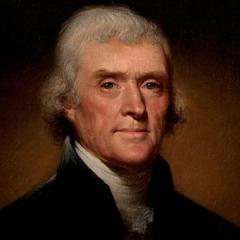
Thomas Jefferson
Thomas Jefferson was the third President of the United States, a distinguished politician, philosopher, architect, and scientist. He was born on April 13, 1743, and died on July 4, 1826. Jefferson advocated for democracy and freedom in politics and was one of the main authors of the Declaration of Independence. His political ideas had a profound impact on the founding and development of the United States. more
You May Also Like
Source: The Federalist, on the New Constitution, Written in the Year 1788
Source: The Federalist, on the New Constitution, Written in the Year 1788
Source: Memoirs of the life and writings of Benjamin Franklin ...
Source: The Writings of James Madison: 1787-1790
Source: The Federalist, on the New Constitution, Written in the Year 1788
Source: The Federalist Papers: A Collection of Essays Written in Favour of the New Constitution
Source: The Federalist Papers: A Collection of Essays Written in Favour of the New Constitution
Source: The Essential Federalist: A New Reading of the Federalist Papers