“The graceful minuet-dance of fancy must give place to the toilsome, thorny pilgrimage of understanding. On the transition from the age of romance to that of science.”
Quote by Thomas Carlyle
Author
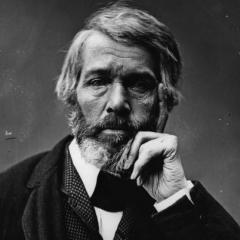
Thomas Carlyle
Thomas Carlyle, born on December 4, 1795, and died on February 5, 1881, was a prominent Scottish philosopher, historian, and writer. His works are known for their profound social criticism and unique literary style, which had a significant impact on 19th-century British literature and thought. more
You May Also Like
Source: The Philosophical Works of Francis Bacon, Baron of Verulam, Viscount St. Albans, and Lord High-Chancellor of England: Methodized, and Made English from the Originals, with Occasional Notes, To Explain what is Obscure; and Show how Far the Several PLANS of the AUTHOR, for the Advancement of All the Parts of Knowledge, Have Been Executed to the Present Time
“You don't need a science degree to understand about science. You just need to think about it.”
“Nihil est sine ratione. There is nothing without a reason.”
Source: The Vicar of Wakefield, Essays, and Poems