“The soul, when accustomed to superfluous things, acquires a strong habit of desiring things which are neither necessary for the preservation of the individual nor for that of the species. This desire is without limit, whilst those which are necessary are few in number and restricted within certain limits; but what is superfluous is without end.”
Quote by Maimonides
Work
The Guide for the Perplexed
The Guide for the Perplexed is a comprehensive work that delves into the complexities of Jewish law and philosophy. Written by the medieval philosopher Moses Maimonides, it is a synthesis of Jewish thought and an attempt to reconcile religious beliefs with reason. The book is divided into three parts, each addressing different aspects of Jewish law and philosophy, and is known for its depth and intellectual rigor. more
Author
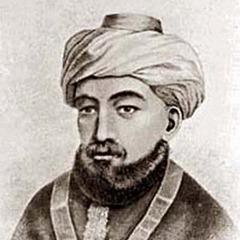
Maimonides
Maimonides, born on March 30, 1135 and died on December 12, 1204, was a Jewish philosopher, physician, and legal scholar. He is renowned for his contributions to philosophy, medicine, and Jewish law. more
You May Also Like
Source: The Guide for the Perplexed
“That which is produced with intention has passed over from non-existence to existence.”
Source: The Guide for the Perplexed
Source: The Guide for the Perplexed
Source: The Guide for the Perplexed
“For that which is without a beginning, a final cause need not be sought.”
Source: Guide for the perplexed
Source: Guide for the perplexed
Source: The Guide for the Perplexed