“It was not the passion that was new to her, it was the yearning adoration. She knew she had always feared it, for it left her helpless; she feared it still, lest if se adored him too much, then she would lose herself, become effaced, and she did not want to be effaced, a slave, like a savage woman. She must not become a slave. She feared her adoration, yet she would not at once fight against it.”
Quote by D. H. Lawrence
Work
Lady Chatterley's Lover
Published in 1928, the novel is known for its explicit sexual content and its exploration of the relationship between a working-class woman and her aristocratic husband. more
Author
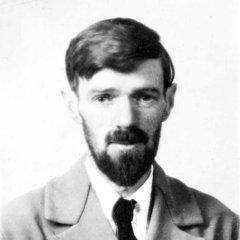
D. H. Lawrence
D. H. Lawrence was an English novelist and poet, born on September 11, 1885, and died on March 2, 1930. He is recognized for his distinctive prose style and his exploration of complex human relationships, particularly in the context of modernity and industrialization. His works often deal with themes of love, sex, and the struggle for individuality. more
You May Also Like
Source: Lady chatterleys lover
Source: Delphi Complete Works of D.H. Lawrence (Illustrated)
Source: The Screwtape Letters: Annotated Edition
Source: The Screwtape Letters & Screwtape Proposes a Toast
“Gratitude looks to the Past and love to the Present; fear, avarice, lust, and ambition look ahead.”
Source: The Screwtape Letters & Screwtape Proposes a Toast
“Each time is true, but the truths are not the same.”
Source: Einstein's Dreams