“As we acquire knowledge, things do not become more comprehensible, but more mysterious.”
Quote by Albert Schweitzer
Work
The Words of Albert Schweitzer
This book compiles a selection of lectures, sermons, and essays by Albert Schweitzer, exploring themes of ethics, philosophy, and humanitarianism. Schweitzer's work is renowned for its deep reflection on the nature of love and service, particularly as exemplified in his own life and work in Africa. more
Author
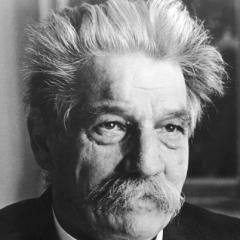
Albert Schweitzer
Albert Schweitzer, born on January 14, 1875, and died on September 4, 1965, was a German theologian, musician, philosopher, and physician. He is renowned for his missionary work in Africa. more
You May Also Like
“Information is seldom enough to heal a wounded heart.”
Source: Glorious Ruin: How Suffering Sets You Free
Source: My Utmost for His Highest
Source: Anna Karenina: Tolstoy's Collections
Source: Mornings in Jenin
Source: Mornings in Jenin
“Time was a face on the water, and like the great river before them, it did nothing but flow.”
Source: The Wind Through the Keyhole: A Dark Tower Novel
Source: This Dark Endeavor: The Apprenticeship of Victor Frankenstein
Source: Call Me by Your Name: A Novel