Quotessence
Home / Quotes / Quote by Andrew Holleran

Quote by Andrew Holleran

Work

Dancer from the Dance

Browse quotes and source details for this work. more

Author
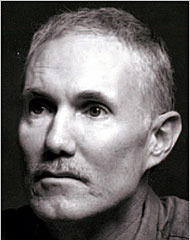
Andrew Holleran
Andrew Holleran

Andrew Holleran is an American novelist born in 1944. His works are known for their detailed portrayal of the lives of homosexuals, particularly the depiction of the gay community in New York City. Holleran's writing style is unique and his language beautiful, winning him a dedicated readership. more

You May Also Like

“Christian consciousness experiences itself in a curious sense as LIBERATED TO FAIL, without intolerable damage to self-esteem and without any reduction of moral seriousness. We are free to be inadequate, free to foul things up, and yet affirm ourselves in a more basic sense than the secular moralist or humanistic idealist (who can affirm themselves only on the basis of merits and accomplishments. We are free to choose and deny finite values, free to take constructive guilt upon us and to see it as an inevitable and providentially given aspect of our fallen human condition. All that we have said leads us to the pinnacle of this good news: In Jesus Christ we need no longer be guilty before God. It is only before our clay-footed gods that we stand guilty!”

“Before whom am I guilty? Myself and my gods. But before God? I would be guilty before God IF God had not disclosed himself as forgiving, taking my place, rendering a verdict of pardon upon me. But upon that IF hinges the force of justification by grace through faith alone. For precisely amid our failure to actualize values we mistakenly imagine as ultimate, God himself continues to perceive us AS IF we were clothed in Christ's own righteousness. The Reformation formula, simul peccator et justus, meant: I am a sinner, deserving condemnation for my idolatry; but from God's point of view I am AT THE SAME TIME pardoned, regarded as if the charge against me were canceled out! the final verdict is thus not the one I give myself or the one that may be given in the courts of law or gossip or peer pressure. Rather, it is what God himself has decided about my situation, how he has regarded and perceived me. Through God's own incomparable initiative, our sin is not remembered against us, even though we may oddly persist in remembering it against ourselves.”

“The heart of the difference between cheap-grace doctrines of guilt-free existence and the Christian gospel is this: Modern chauvinism desperately avoids the message of guilt by treating it as a regrettable symptom. Christianity listens to the message of guilt by conscientious self-examination. Hedonism winks at sin. Christianity earnestly confesses sin. Secularism assumes it can extricate itself from gross misdeeds. Christianity looks to grace for divine forgiveness. Modern consciousness is its own fumbling attorney before the bar of conscience. Christianity rejoices that God himself has become our attorney. Modernity sees no reason to atone for or make reparation for wrongs. Christianity knows that unatoned sin brings on misery of conscience. Modern naturalism sees no need for God. Christianity celebrates God's willingness to suffer for our sins and redeem us from guilt.”

“Protestants at one time were confident that their free form of confession was a vast improvement upon Catholic private confession to a priest because it is voluntary, demystified, and not routinized. But amid the acids of modernity it has volunteered itself right out of existence. Demystification has dwindled into desacralization. The escape from routinization has become a convenient cover for the demise of repentance. The postmodern pastor is trying to learn anew to listen to the deeper range of feelings of others, without forgetfulness of the Word of God.”