“Statistically, the probability of any one of us being here is so small that the mere fact of our existence should keep us all in a state of contented dazzlement.”
Quote by Lewis Thomas
Author
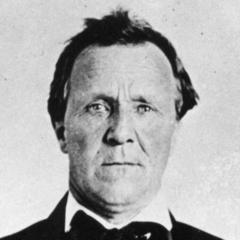
Lewis Thomas
Lewis Thomas was a renowned American physician, writer, and scientist. Born on November 25, 1913, and died on December 3, 1993. He was known for his contributions to medicine and scientific writing, serving as the director of Memorial Sloan Kettering Cancer Center in New York. more
You May Also Like
“Being overwhelmed isn’t something that happens to you; you create it yourself.”
Source: Values to Live By: Know What Matters Most and Let It Be Your Guide
Source: So Empowered: Discover the Five Layers of the Body To Take Control of Your Life
Source: The Council of Gods
Source: Trapped In Thought: The Hidden Link Between Thoughts, HRV, and Burnout - How The Surfing System™ Can Help
Source: The Therapist's Handbook for People-Pleasers: Breaking Free from the Need to Please and Reclaim Your Life
“Through focused breathing, we foster emotional release, ease stress, and cultivate self-awareness.”
Source: Crossing the Forbidden Highway: The Untold Story of Orgone, Body Therapy, and Suppressed Emotion
Source: Gravity’s Rainbow
“Stress reveals character; culture decides whether it breaks or builds you.”
Source: The Art of Risk: How Smart Businesses Prevent Chaos Before It Happens