“The ancient Greeks were right. The ideal of the chosen life does not square with how we live. We are not authors of our lives; we are not even part-authors of the events that mark us most deeply. Nearly everything that is most important in our lives is unchosen. The time and place we are born, our parents, the first language we speak - these are chance, not choice. It is the casual drift of things that shapes our most fateful relationships. The life of each of us is a chapter of accident. Personal autonomy is the work of our imagination, not the way we live. Yet we have been thrown into a time in which everything is provisional. New technologies alter our lives daily. The traditions of the past cannot be retrieved. At the same time we have little idea of what the future will bring. We are forced to live as if we were free. The cult of choice reflects the fact that we must improvise our lives. That we cannot do otherwise is a mark of our unfreedom. Choice has become a fetish; but the mark of a fetish is that it is unchosen.”
Quote by John Gray
Author
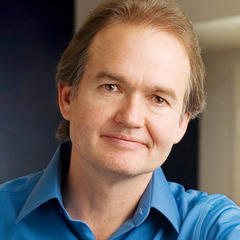
John Gray
John Gray, born on December 28, 1951, is a renowned author. His works primarily revolve around interpersonal relationships and gender differences, with his most famous book being 'Men Are from Mars, Women Are from Venus'. His books have gained widespread popularity worldwide, offering profound insights into gender communication and relationship understanding. more
You May Also Like
“True power is in the unknown.”
Source: The Book of Obeah
“One day you will see that what must be born will be born. Everything else will find another way.”
Source: The Star Side of Bird Hill
“It is not what we think or feel that makes us who we are. It is what we do. Or fail to do...”
Source: Sense and Sensibility
Source: Tempests and Slaughter
Source: The Whimsical Christian: 18 Essays
“Don't make me regret taking you on. If I get irritated, I might drown you a little bit.”
Source: Tempests and Slaughter
Source: Tempests and Slaughter
“It's a Stormwing," Ozorne said. "I always wanted one.”
Source: Tempests and Slaughter