“The truth is that men can have several sorts of pleasure. The true pleasure is the one for which they abandon the other.”
Quote by Marcel Proust
Work
Remembrance of Things Past: The Guermantes way. Cities of the plain
In this extensive work, the author delves into the intricate tapestry of human experience through the lens of personal and collective memory. The narrative follows the protagonist's journey through the complexities of love, relationships, and societal structures, providing a richly detailed portrayal of Parisian society during the late 19th century. more
Author
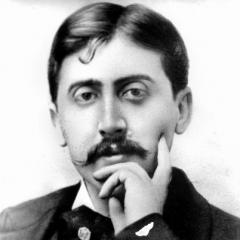
Marcel Proust
Marcel Proust was a French novelist renowned for his magnum opus, 'In Search of Lost Time'. This novel is considered a classic of 20th-century literature, known for its intricate psychological portrayals and profound exploration of memory. more
You May Also Like
“To the pure all things are pure!”
Source: Remembrance of Things Past
“How else learn the real, if not by inventing what might lie outside it?”
Source: In Search of Lost Time, Volume III: The Guermantes Way
Source: Cities of the Plain (Sodom and Gomorrah)
Source: In Search of Lost Time: Swann's way
Source: In Search Of Lost Time, Vol 2: Within a Budding Grove
Source: In the Shadow of Young Girls in Flower: In Search of Lost Time