“The assumption of all education is that learning will be directed toward constructive ends and I'm convinced that colleges should support students in their determination to be useful, self-sufficient, and productive.”
Quote by Ernest L. Boyer
Work
Ernest L. Boyer, Selected Speeches, 1979-1995
The speeches encompass a range of topics, including education, leadership, and societal issues, reflecting Boyer's influential perspective on these subjects. more
Author
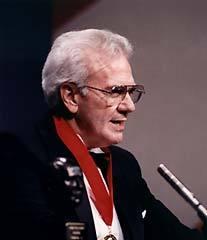
Ernest L. Boyer
Ernest L. Boyer was a significant figure in the field of education, known for his influential contributions to educational reform and assessment. During his career, he held leadership positions in several educational institutions, including serving as the dean of the Teachers College at Columbia University and the president of the State University of New York. Boyer is best known for his work in 'Scholarship Reconsidered: Priorities of the Professoriate,' where he proposed the 'four categories of scholarship.' His work has had a profound impact on the field of education, particularly in higher education, and he is considered one of the most influential educators of the 20th century. more
You May Also Like
Source: Ernest L. Boyer, Selected Speeches, 1979-1995
Source: Ernest L. Boyer, Selected Speeches, 1979-1995
Source: Ernest L. Boyer, Selected Speeches, 1979-1995
Source: Ernest L. Boyer, Selected Speeches, 1979-1995
“To put it simply, school readiness means creating in this country a public love of children.”
Source: Ernest L. Boyer, Selected Speeches, 1979-1995
Source: Ernest L. Boyer, Selected Speeches, 1979-1995
Source: Ernest L. Boyer, Selected Speeches, 1979-1995
Source: Ernest L. Boyer, Selected Speeches, 1979-1995