Quotessence
Home / Quotes / Quote by Nicholas D. Kristof

Quote by Nicholas D. Kristof

Author

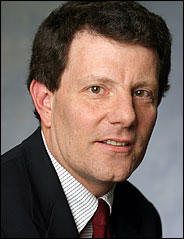
Nicholas D. Kristof
Nicholas D. Kristof

Nicholas D. Kristof is an American journalist renowned for his in-depth investigative reporting. Born on April 27, 1959, he has won the Pulitzer Prize and has been a columnist for The New York Times. Kristof's reporting focuses on global poverty, human rights, and foreign policy issues, often sparking public attention to important social issues. more

You May Also Like

“I guess what I'm looking for here is empathy. So you [Nicholas Kristof] have traveled all around the world, famously to the worse places of the world. Darfur. Mogadishu, Ouagadougou. Probably those places much more than Modesto or Lewiston.I never read a column by you that suggest the people in those places, who support dictators oftentimes, are racists or bad people. You would never write that about a poor person in the third world but you are implying that about your fellow Americans.”

“I'll go through all of [12 steps for people who say are traumatized by the election], but a sample: Volunteer to fight Islamaphobia. Join the ACLU. Donate to Planned Parenthood. Take down sexism and misogyny. Sort of all the stations of the cross of liberalism. Sort of all the stations of the cross of liberalism.”

“I read Nicholas Kristof columns. I think it was in September [2016] had he this piece look who is endorsing [Donald] Trump, who is behind him. It was the North Korean government, it was Islamic terrorists. It's the Klan. It's the American Nazi party. It seems very uncharitable to me. There was no room for people who are decent but economically beleaguered to maybe want to support him.”

“I'm not trying to be mean. You [ Nicholas Kristof] have written about climate change. You're really concerned and you've thought a lot about the suffering of people in other countries. It doesn't seem like you have thought that deeply about the suffering of your fellow Americans. You don't have the solutions say as you do for global warming. And my question is: Isn't it always easier for the elites to identify with abstractions or poor people in other countries and kind of ignore their own country men. I have noticed this. Have you noticed that?”